About HTHP Horizontal Single Vessel Yarn Dyeing Machine
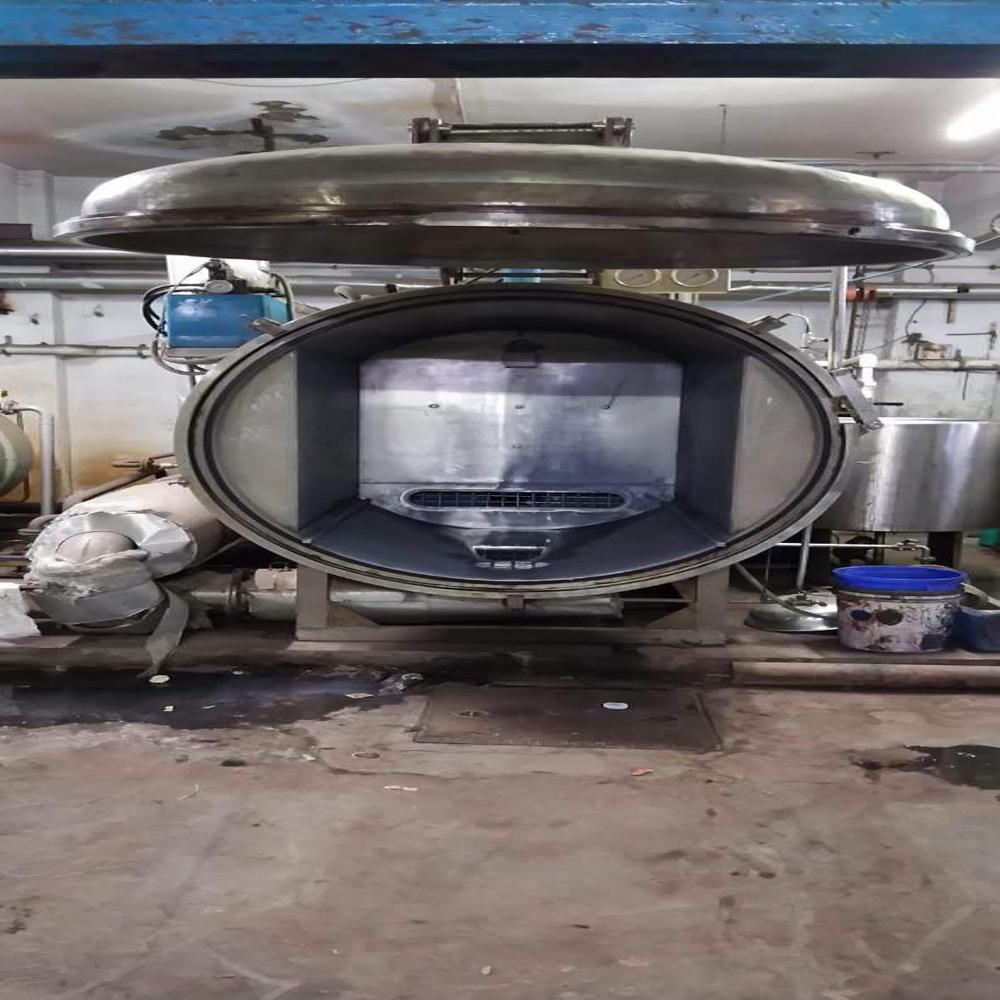
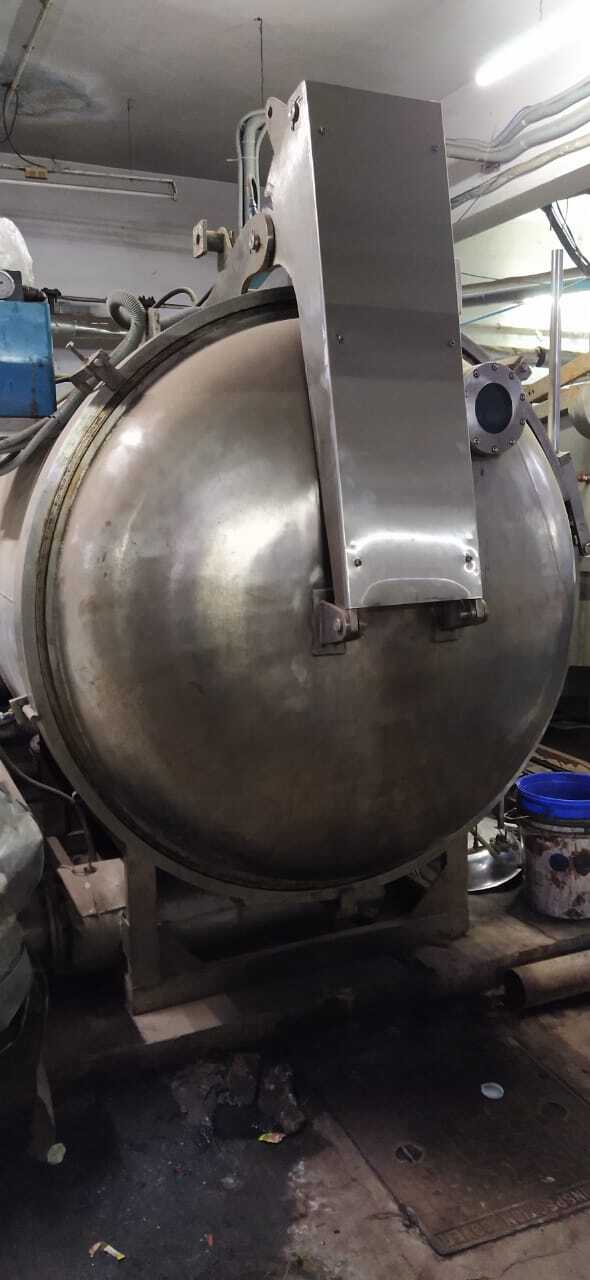
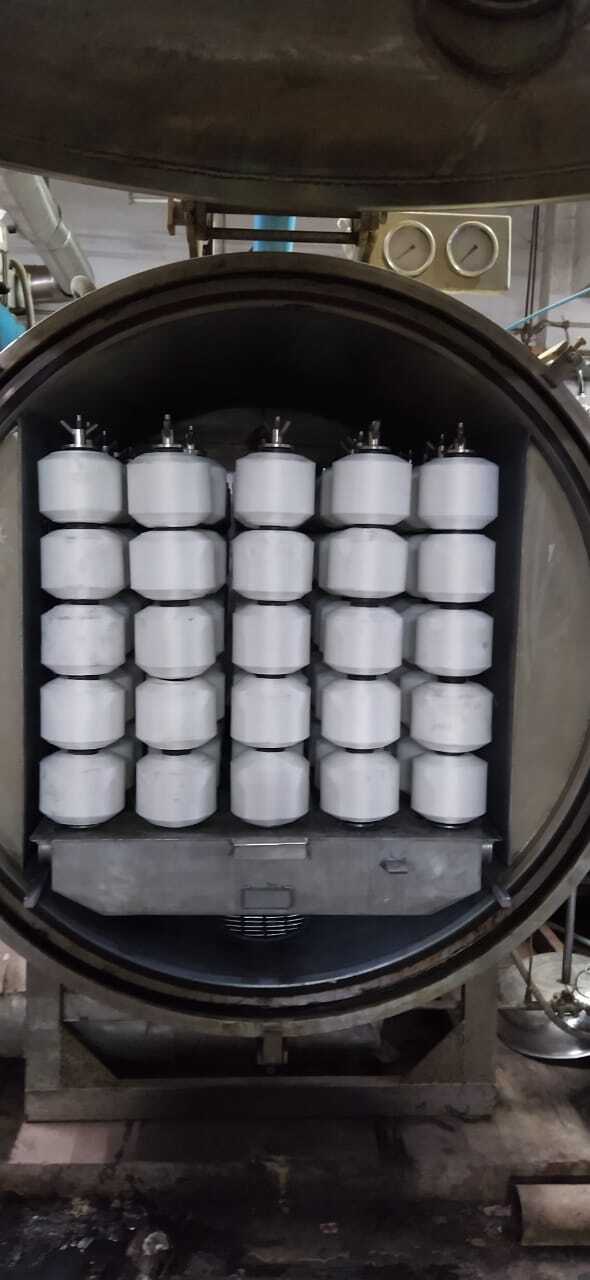
HTHP Horizontal Single Vessel Yarn Dyeing Machine
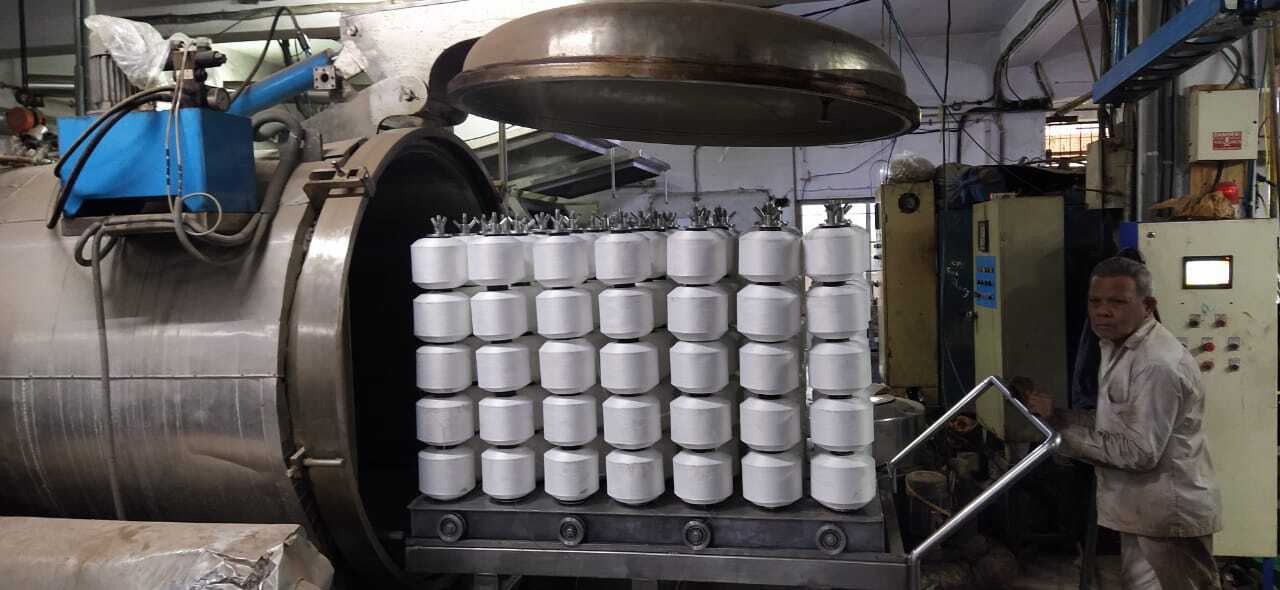
What is an HTHP Horizontal Single Vessel Yarn Dyeing Machine
-
It's a type of dyeing equipment used for dyeing yarn packages, hanks, cones etc., under high temperature (often up to 140 C) and elevated pressure.
-
Horizontal single vessel means the dyeing chamber is one vessel laid out horizontally (or with tubes), not vertical, and all dyeing happens in that vessel.
-
Used especially for synthetic fibers like polyester, nylon, also cotton, silk, wool etc.
-
Key aims include uniform dyeing, low liquor ratio (MLR), energy/water/chemical savings, better process control.
Core Operating Principles
-
Liquor Circulation: Dye liquor is circulated through/around yarn packages or carriers, often in a reversible manner (intoout & outtoin) to ensure even penetration of dye.
-
High Temperature & Pressure: To facilitate dye uptake, especially for synthetics, dyeing is done at elevated temperatures (up to approx. 140C) and pressure (several bars, e.g. 46 kg/cm). This ensures faster kinetics, better fixation of dyes.
-
Low Liquor Ratio: Because dye liquor is expensive (chemicals, water, energy), these machines are designed for low liquor ratio (sometimes as low as 1:5 up to 1:7 etc.) meaning less water/volume of dye solution per weight of yarn.
-
Heat Management: Heating is typically via steam, sometimes indirect heating (heat exchangers), and cooling is with water. Good machines include efficient heat exchangers to reduce heat losses.
-
Safety and Automation: Lid locking mechanisms (often pneumatic), safety interlocks for temperature, pressure, level, etc. Many machines have PLC or microprocessor control, touchscreen panels, sampling ports.
-
Variable Loading / Dummies / Carriers: To manage yarn density inside packages, to adjust for different batch sizes and maintain uniformity, many machines use dummy carriers or variable loading to optimize the liquor ratio and flow.
Typical Features (from manufacturers in India, for Horizontal / Tubular HTHP Yarn Dyeing Machines)
Below are features commonly offered, based on Indian machines:
| Feature |
Description |
| Capacity |
From small batches ( 50100 kg) up to large ones ( 500700 kg or more) per batch. |
| Liquor Ratio (MLR) |
Very low in good machines 1:5 are possible; in some designs up to 1:7 depending on package density etc. |
| Operating Temperature / Pressure |
Up to 140 C, pressure up to 46 kg/cm (or bar) depending on design. |
| Material of Construction |
Internal parts in contact with dye liquor usually stainless steel (AISI 316, or sometimes 316Ti/316L) for corrosion resistance. |
| Pump System |
Turbo oraxial flow pumps, often reversible, with inverter drives for variable speed; some capacity to reverse flow direction to improve dye uniformity. |
| Heating / Cooling Systems |
Heat exchanger(s), sometimes coiltype, steam heating, water cooling, sometimes jacket cooling. Efficient thermal insulation / minimal heat loss. |
| Controls & Safety |
PLC / touch panels; sampling pots; pneumatic / electropneumatic lids; safety interlocks; automatic or semiautomatic operation; frontloading design; door locking. |
Advanced Yarn Dyeing EfficiencyUtilizing low liquor consumption and indirect steam or electric heating, the HTHP Horizontal Single Vessel Yarn Dyeing Machine offers high dyeing efficiency while significantly saving water and energy. Its centrifugal stainless steel pump ensures rapid, uniform circulation of dyes, while mineral wool insulation preserves heat, resulting in consistent dyeing performance and reduced operational costs.
Superior Safety and User-Friendly OperationEquipped with comprehensive safety features-including pressure release valves, over-temperature alarms, emergency stop, and auto-level controllers-this machine prioritizes operator safety and protects valuable material. Its fully automatic PLC control system allows for precise process management, with large access doors simplifying loading, unloading, and maintenance tasks.
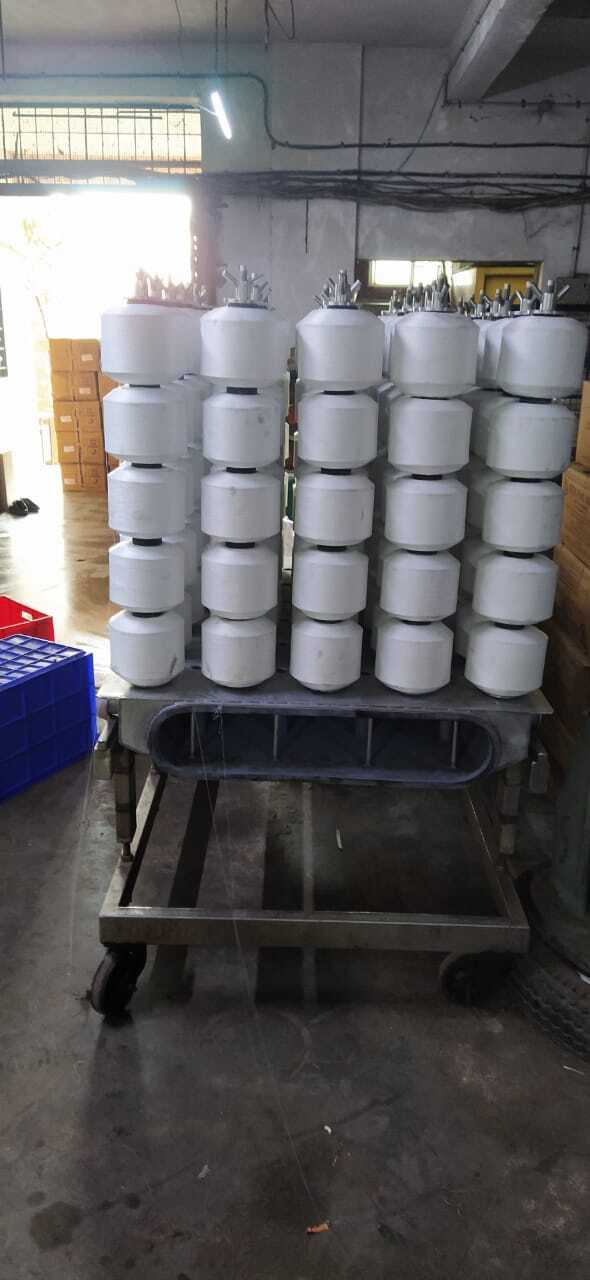
Versatility for Textile IndustriesSuitable for dyeing yarns in various forms-cone, hank, cheese, or loose-the machine accommodates batch sizes from 50 kg to 500 kg. Optional features, such as an integrated automatic dosing system and sample dyeing device, allow for seamless integration into modern color kitchens and laboratory workflows, supporting a wide range of textile industry applications.
FAQ's of HTHP Horizontal Single Vessel Yarn Dyeing Machine:
Q: How does the HTHP Horizontal Single Vessel Yarn Dyeing Machine operate?
A: The machine uses either indirect steam or electric heating and a centrifugal stainless steel pump to circulate dye liquor efficiently through yarns while maintaining a low liquor ratio. Its fully automatic PLC control streamlines the dyeing cycle, ensuring consistent results with minimal manual intervention.
Q: What types of yarn and material forms can be dyed with this machine?
A: This machine is designed for dyeing all types of yarn-including cotton, polyester, viscose, acrylic, and blends-in forms such as cones, hanks, cheese, or loose material, making it highly versatile for various textile production needs.
Q: When should this machine be used in textile production?
A: The HTHP Horizontal Single Vessel Yarn Dyeing Machine is ideal at the yarn dyeing stage, before weaving or knitting processes. It delivers uniform and vibrant color precisely tailored to batch and material specifications, boosting quality and efficiency in subsequent manufacturing steps.
Q: Where is the machine manufactured and supplied?
A: Manufactured and supplied in India, this machine is available for textile manufacturers and processing units seeking cutting-edge yarn dyeing technologies with CE and ISO certifications.
Q: What is the process for cleaning and maintaining this yarn dyeing machine?
A: Routine maintenance is simplified with large access doors for easy cleaning. The removable stainless steel filter basket ensures debris-free operation, while polished surfaces and robust construction reduce the risk of contamination and corrosion, ensuring longevity of the equipment.
Q: How does the machine enhance energy efficiency and reduce operational costs?
A: High-grade insulation, efficient heating systems, and low liquor ratios minimize water and energy consumption. Automation further reduces the need for manual supervision, leading to lower labor costs and operational overhead.
Q: What are the key benefits of using this machine for textile dyeing?
A: Benefits include robust construction with corrosion resistance, high dyeing uniformity, energy savings, user-friendly operation, advanced safety features, noise levels below 75 dB, and flexible batch capacities. These features support reliably high-quality results and adaptability for diverse textile industry requirements.









 Send Inquiry

 Send Inquiry
